Flowers Bouquet Pot Embroidery Review
As a designer who spends more time than I care to admit staring at stitch charts and fabric swatches, I have learned that not every digital asset translates well into the physical world. There is a distinct difference between a graphic that looks beautiful on a screen and an embroidery file that actually holds up under the tension of a machine needle. Today, I am putting Flowers Bouquet Pot through its paces. This isn’t just about aesthetics; it is about viability for your craft business, your client projects, or that personalized gift you are stitching for a friend.
The product falls under the category of Illustrations and Graphics, which immediately sets certain expectations. We are looking at a visual composition rather than a complex technical schematic. The listing provides six digital files in total, sized at 1920px X 1280px canvas size. You receive this design in the following formats – 1 AI File – 1 EPS File – 1 SVG File – 1 DXF File. While these vector and layout formats are excellent for planning and mockups, my review focuses on how this machine embroidery design performs when it leaves the computer and enters the hoop.
First Impressions: Mood and Visual Personality
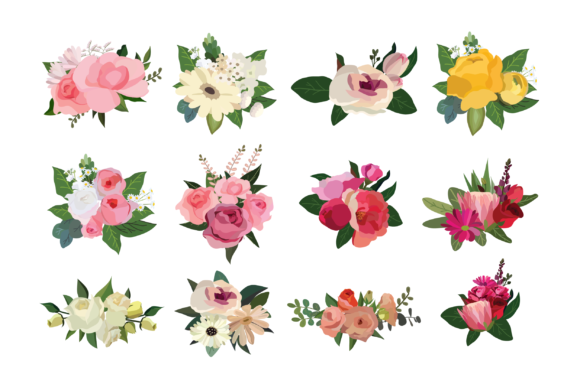
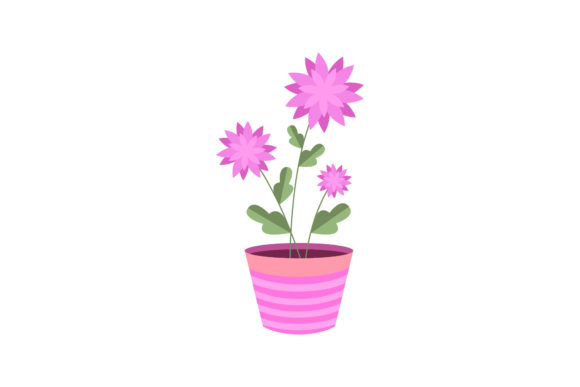
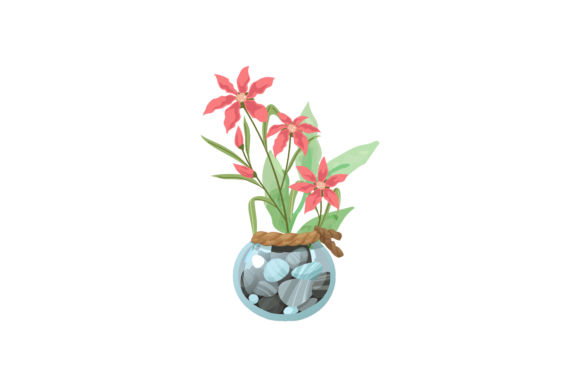
When I first opened the preview for Flowers Bouquet Pot, the immediate takeaway was warmth. It does not scream for attention with neon colors or aggressive geometry. Instead, it offers a soft, inviting aesthetic that feels rooted in traditional botanical illustration but streamlined for modern manufacturing. The layout suggests a contained arrangement, likely centered within a vessel or pot, which naturally frames the eye and keeps the visual weight balanced.
For an embroiderer, balance is everything. A design that is too heavy on one side can cause fabric distortion, while one that is too sparse can look unfinished after washing. Flowers Bouquet Pot strikes a middle ground. It feels substantial enough to be a focal point but delicate enough to work as part of a larger collection. The mood is domestic and cozy. It evokes images of Sunday morning coffee, fresh kitchen towels, or a nursery wall hanging. This emotional resonance is critical because it dictates where the finished product will live in a customer’s life.
Real-World Application: Where Does It Fit?
I took this design mentally (and virtually) into several common scenarios to see where it would thrive. The versatility of Flowers Bouquet Pot lies in its adaptability across different mediums and product types.
- Custom Apparel and Sweatshirt Embroidery: On a heavyweight cotton sweatshirt, this design would pop beautifully. The structured nature of the "pot" element provides a solid anchor, allowing the floral elements to fan out without overwhelming the garment. It works particularly well on chest placements or as a large back print for a boutique brand.
- Tote Bag Design: Canvas totes are the bread and butter of many Etsy seller shops. Because this is an illustrations based graphic, it translates cleanly to fabric. However, on a tote bag, the contrast between the thread colors and the canvas texture becomes paramount. If executed correctly, this becomes a high-value accessory.
- Baby Embroidery and Nursery Decor: The gentle theme makes this ideal for baby clothes, blankets, or pillow covers. Parents are often looking for items that feel safe, soft, and timeless. Flowers Bouquet Pot delivers that timeless quality. It avoids trendy cartoonish elements, making it suitable for heirloom-quality gifts.
- Kitchen Towels and Aprons: In a home setting, this design fits the narrative of hospitality. An embroidered apron featuring this motif signals care and effort. It elevates a basic utility item into a personalized gift that someone might actually keep for years.
Furthermore, for those selling digital product previews or printable mockups, this design has strong commercial appeal. It is clean enough to serve as a template for various branding needs, from wedding favors to small shop product packaging.
Technical Considerations and Stitch Quality
This is where the rubber meets the road. As a reviewer, I must address the mechanics. The provided formats (AI, EPS, SVG, DXF) are primarily for vector editing and layout, not direct machine reading. Therefore, the success of this project depends heavily on how the digitizer has converted these graphics into stitch data.
When evaluating the stitch density, we must assume a standard approach for this type of illustration. If the floral elements rely too heavily on dense fill stitches, the fabric may pucker, especially if used on thin materials. Conversely, if the design relies solely on running stitch, it may lack the durability required for frequent washing. Ideally, a skilled digitizer would use a combination of satin stitches for outlines and borders, and lighter fill stitches for the flower heads to maintain fabric drape.
Thread colors are another variable. Since the source is a graphic illustration, the color palette is likely predefined. When testing this on dark fabric backgrounds, ensure there is sufficient opacity in the thread choice. Light pastels against black denim can sometimes appear muddy unless multiple passes or specific underlay stitches are used. Always test thread color contrast before committing to a bulk production run.
Where to Use With Caution
While Flowers Bouquet Pot is versatile, it is not a universal solution. There are specific contexts where this design might struggle:
- Small Hoop Sizes: If the design contains intricate details in the petals or leaves, shrinking it down to fit a 4x4 inch hoop may result in lost definition. Tiny details often merge together during stitching, turning a delicate flower into a blob.
- Textured and Stretchy Fabrics: Avoid using this on highly textured fabrics like bouclé or very stretchy knits without proper stabilization. The uneven surface can cause needle deflection, leading to misaligned stitches. Similarly, on stretchy jersey fabrics, the tension of the embroidery threads can cause the garment to warp.
- Curved Surfaces: Applying this to caps or hats requires careful hooping techniques. Flat designs do not always conform well to curved brims or crowns without significant redesigning for curvature.
- Dense Stitch Areas: If the original illustration has tight clusters of detail, converting this to a machine design might create areas that are too thick to stitch comfortably, potentially damaging the machine needle or breaking thread.
Professional Advice for Implementation
To get the best results from Flowers Bouquet Pot, follow these practical steps. First, always test the design on scrap fabric that matches the weight and texture of your final product. This reveals issues with tension, stabilizer choice, and stitch alignment before you waste expensive materials.
Check the stabilizer usage carefully. For woven fabrics like cotton or linen, cut-away stabilizer is usually recommended for longevity, especially for items that will be washed frequently. For knits, tear-away or water-soluble stabilizers might be preferable depending on the desired hand-feel.
Inspect small details closely. Zoom in on the digital preview and imagine how those lines will translate to thread. Are there any tiny gaps that might close up? Are there overlapping elements that might clash? If the design includes text or fine lettering, ensure the font size is legible after stitching. Often, what looks good on a 1920px canvas can become illegible at actual size.
Finally, consider the end-use. Is this for a commercial embroidery project or a personal hobby? If you are selling finished goods, confirm the licensing terms associated with the digital files. Ensure you have the right to sell products made from this design. Transparency builds trust with your customers and protects your craft business from legal issues.
Final Verdict
Flowers Bouquet Pot is a solid, aesthetically pleasing addition to any designer’s library. It captures a classic, warm vibe that resonates with buyers looking for handmade, thoughtful items. Its strength lies in its simplicity and broad applicability across apparel, home decor, and gifts. However, like all digital assets, its success depends on execution. By paying attention to stitch density, fabric choice, and proper testing, you can transform this illustration into a professional, market-ready finished product. It is a reliable tool for creating handmade product lines that feel both personal and polished.